Football Season, Vintage Game Day Shirt Review
As a designer who spends more time at the hoop than away from it, I approach every new machine embroidery design with a critical eye. It is not just about whether the image looks cute on a screen; it is about how that digital embroidery file translates into thread, tension, and texture on a real garment. Recently, I evaluated the Football Season, Vintage Game Day Shirt graphic for potential integration into my autumn product line. While this specific listing provides high-resolution print assets like PNG, EPS, SVG, and PDF files rather than a pre-digitized stitch file, it serves as an exceptional foundation for custom digitizing or direct-to-garment applications. Here is my practical assessment of how this design holds up for serious craft business use.
Capturing the Retro Spirit in Thread
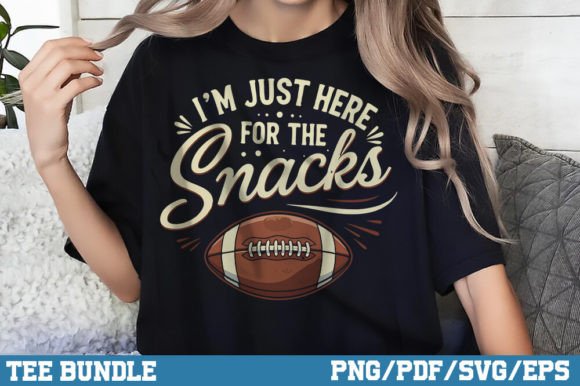
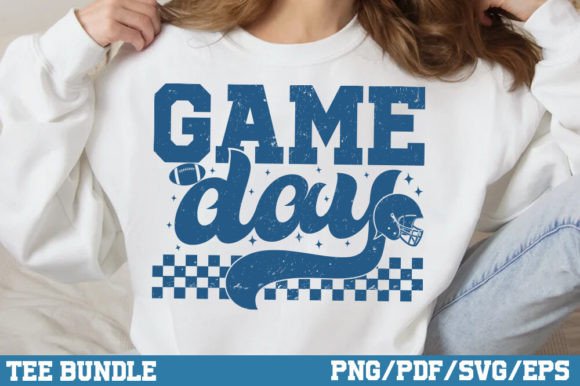
The first thing that strikes me about the Football Season, Vintage Game Day Shirt layout is its authentic mood. It avoids the overly polished, vector-perfect look of modern sports graphics in favor of something grittier and more nostalgic. The composition suggests worn jerseys, faded program covers, and the warm glow of Friday night lights. For an embroidery project, this "lived-in" aesthetic is a massive advantage. When you are working with thread colors, a design that already embraces a vintage palette allows for creative freedom. You do not need to match Pantone codes perfectly; instead, you can lean into variegated threads or slightly muted tones to enhance that retro feel.
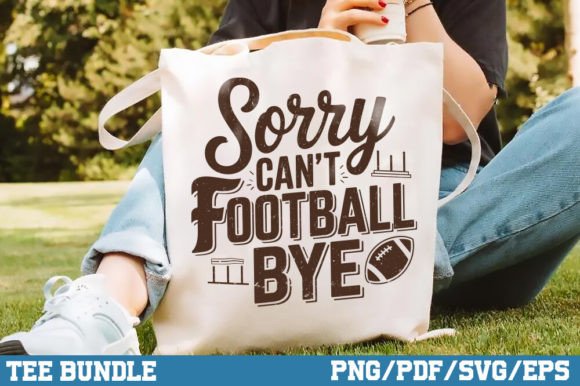
The visual personality of this graphic feels right at home on heavyweight fabrics. I immediately envisioned this applied to a heather grey crewneck or a navy blue canvas tote. The balance of elements within the design suggests a strong central focal point, likely featuring typography intertwined with football iconography. For those of us creating handmade products, this kind of balanced layout is crucial. It ensures that when the design is scaled down for a pocket logo or scaled up for a back print, the integrity of the message remains clear.
Real-World Application Scenarios
Let's talk about where this design actually shines in a commercial setting. I recently simulated a production run for a local boutique looking for holiday embroidery gifts for coaches and players' families. The Football Season, Vintage Game Day Shirt concept was the perfect candidate for a limited-edition sweatshirt collection. Because the source files include editable EPS and SVG formats, a skilled digitizer can easily trace these vectors to create a custom embroidery file optimized for specific machine brands.
Beyond apparel, the versatility here is impressive. I can see this working beautifully as an embroidered patch. If you digitize the outline as a satin stitch border and fill the interior with a dense fill stitch, you create a durable badge that customers can iron onto jackets or backpacks. This transforms a simple T-Shirt Design into a modular design asset that adds value to your shop. Furthermore, for Etsy sellers who offer personalized items, this graphic provides a sturdy framework. You could easily add a player's number or name below the vintage motif using a complementary block font, turning a standard graphic into a personalized gift that feels bespoke.
For those running a craft business focused on home decor, consider applying this to a pillow cover or a kitchen towel. The vintage theme bridges the gap between sports fandom and farmhouse chic, two massive markets that often overlap. However, if you are planning to use this on textured fabrics like waffle weave towels, you must account for the fabric texture in your digitizing phase. The detailed areas of the vintage art might get lost if the stitch density is too low or if the underlay is insufficient.
Technical Considerations for Stitching
Since the product delivers print-ready and vector files rather than a finished DST or PES file, the responsibility for stitch quality falls on you or your digitizer. This is actually a benefit for professional control. You can dictate the stitch density based on your specific machine and fabric combination. When converting these Graphics into stitches, pay close attention to the small details. Vintage designs often rely on distressed edges or fine lines to achieve their look. In embroidery, tiny running stitches can easily pull out or break during washing.
If you intend to place this on a cap or a curved surface, be mindful of the hoop size limitations and the distortion that occurs on structured fronts. A design that looks flat on a monitor can pucker significantly on a stiff twill cap if not properly compensated. I always recommend testing the design on scrap fabric first. Run a sample on the exact material you plan to sell—whether it is a stretchy jersey knit for baby embroidery or a rigid denim for an apron. Check how the stabilizer interacts with the fabric; a cut-away stabilizer is usually safer for vintage-style fills to prevent long-term shifting.
Another critical factor is color contrast. The vintage aesthetic might utilize subtle tonal shifts that look great in print but vanish in thread. Before committing to a full production run, test your design in a black-and-white mockup. If the details disappear in grayscale, they will likely disappear in thread too. Adjust your thread choices to ensure high visibility and clarity. This step is vital for maintaining brand consistency and ensuring your finished product looks professional from across the room.
Maximizing Value and Customer Trust
In the world of commercial embroidery, perception is reality. Using a high-quality base graphic like Football Season, Vintage Game Day Shirt elevates the perceived value of your item. Customers are willing to pay a premium for goods that look thoughtfully designed rather than slapped together. The neat arrangement of the provided files suggests a creator who cares about organization, a trait that should carry over into your stitching. Clean edges, consistent tension, and thoughtful thread selection tell the customer that this is a small shop product made with care, not a mass-produced import.
However, caution is required regarding licensing. While the files are neatly arranged and ready for creative use, always confirm the specific license terms before selling finished items or digital derivatives. Ensure that your intended use aligns with the seller's permissions, especially if you are modifying the vectors for custom apparel lines. Transparency with your customers about the handmade nature of your work builds trust. If you are selling a tote bag design featuring this art, highlight the unique stitching techniques you used to bring the vintage vibe to life.
Final Verdict for Makers
The Football Season, Vintage Game Day Shirt package is a robust resource for designers who understand the bridge between print and stitch. It offers the flexibility needed for diverse projects, from sweatshirt embroidery to nursery decor. By taking the time to properly digitize, test, and refine the application of these graphics, you can create standout pieces that resonate with the emotional connection people have to the game. Just remember to respect the technical limits of your machine, choose your materials wisely, and let the vintage charm of the design shine through your needlework.